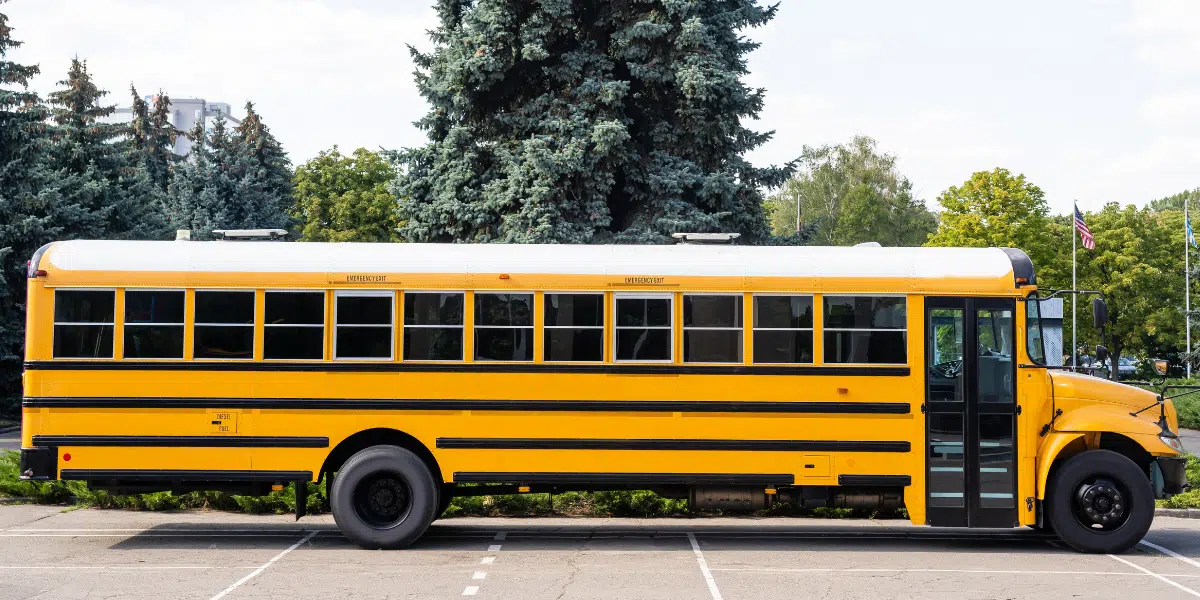
Is your school district considering adding another bus to its fleet? Before making that call, it’s worth understanding what’s really happening with the buses you already have.
A new vehicle means finding a new driver, plus added costs for fuel and maintenance. So even if student numbers are increasing or a new neighborhood gets added to the route map, that growth doesn’t automatically mean the fleet needs to grow too.
The truth is, most schools don’t have a clear picture of how efficiently their fleet is actually running. They don’t know how their routes and bus capacity match up with where students need to be picked up and dropped off. Improving school transportation starts with better information, not more buses.
Understand Where Capacity Is Being Used
The first step toward a more efficient fleet is knowing how full your buses actually are, route by route. Comparing real ridership numbers against each bus’s available seats can reveal a pattern that’s easy to miss when you’re only looking at a route map. Some buses are running consistently underused, while others are packed and pushing toward capacity on a regular basis.
If you only have a manual master schedule, that imbalance can go unnoticed. What’s needed is visibility into who’s riding, when, and where. That kind of data lets transportation directors spot the routes that need adjusting.
Get More From Existing Routes
Once capacity issues are visible, the next step is refining the routes themselves. That means regularly reviewing stop locations, pickup and drop-off timing, and rider distribution across each run. A stop that made sense five years ago may no longer reflect where students actually live, and timing that worked for one school year can quickly fall out of step as enrollment shifts.
Student populations and transportation needs change throughout the year, not just at the start of a new school year. Because of this, routes need to be treated as evolving plans, not fixed schedules. For a closer look at how to approach this process, see Bustrak’s guide to school bus route optimization.
Simplify Day-to-Day Transportation Work
Efficiency also takes a hit when transportation teams spend time on manual, repetitive work just to keep information current. When updates and daily logistics are logged in different spreadsheets, binders, or disconnected systems, staff end up spending more time managing the process than solving the actual problem.
Keeping transportation information organized in one place reduces that overhead. It makes everyday updates, like a new student, a changed address, or a shifted stop time, faster to enter and easier for the whole team to see, without digging through multiple sources to piece together the full picture.
Improve Visibility Before Adding Capacity
Before deciding that more buses are the answer, it helps to identify the specific issue that’s causing a lack of efficiency. Is a route consistently late because of traffic patterns, an inefficient stop sequence, or genuine overcrowding? Are complaints about crowding coming from a real capacity shortage, or from a handful of stops that could be rebalanced?
Real transportation data is what answers these questions. With the right visibility into routes, ridership, and performance, districts can easily determine whether adding a bus is truly necessary, or whether existing resources could be reorganized to solve the problem instead.
How Bustrak Helps Schools Do More With What They Have
Bustrak brings route, ridership, and real-time transportation information together in one centralized app, giving transportation teams the visibility they need to make smarter decisions about the resources they already have. Instead of piecing together data from multiple sources, teams can see what’s happening across their fleet and identify where capacity issues lay.
Improving school transportation doesn’t have to start with a bigger budget or a bigger fleet. Often, it starts with a clearer picture of what’s already in motion.
Ready to see how Bustrak can help your district do more?
Get in touch with Bustrak to learn more.

